Research explainer
One Drink a Day, Two Trials and a Question About What Lasts
A masked school beverage study and a home-delivery trial in teenagers found differences in weight gain during treatment. The longer follow-up complicates the picture.
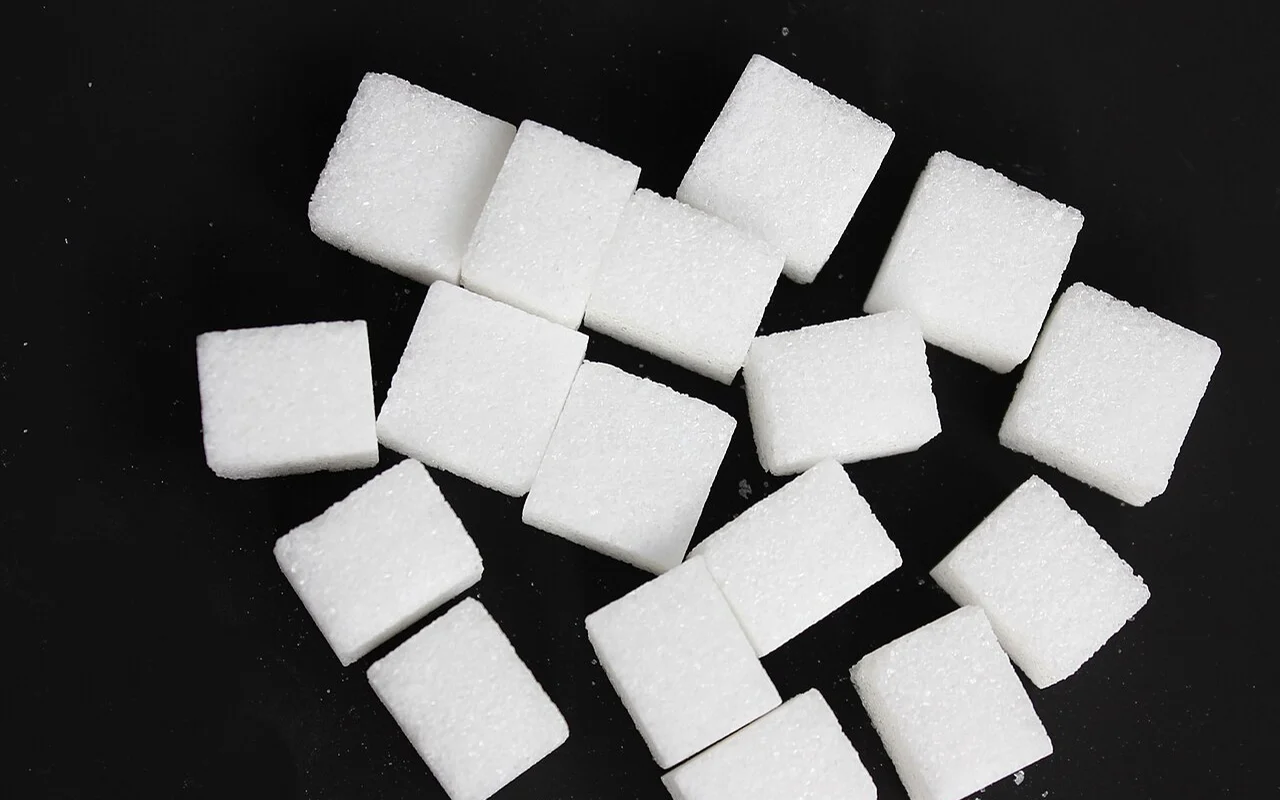
A school drink with a measured difference
In a Dutch trial, schools distributed a small drink each day to children who had been assigned by chance to one of two groups. The drinks were designed to taste alike. One contained sugar and supplied 104 calories per serving. The other used a noncaloric sweetener. The experiment narrowed a difficult nutrition question to a substitution that families and researchers could identify precisely. There was no need to reconstruct from memory the sugar content of a succession of different brands or serving sizes. The question was whether changing that one drink could produce a measurable difference as children grew.
Growth over eighteen months
The study enrolled 641 children, most of whom started at a normal weight. Both groups gained weight, as would be expected during childhood. The estimated average gain was 6.35 kilograms in the sugar-free group and 7.37 kilograms in the sugar group. Measures including skinfold thickness also favored the sugar-free group. One qualification deserves attention. About a quarter of the children stopped taking the study drinks, and the main analysis estimated missing measurements. A separate analysis that included available measurements from children who had stopped found a smaller difference in the age-adjusted body mass index measure. The uncertainty around that estimate included the possibility of no difference.
A delivery at home
A second research team started in a different place. Its 224 participants were adolescents with overweight or obesity who regularly drank sugary beverages. Families in the intervention group received help replacing these drinks, including a supply of noncaloric beverages at home. At the end of one year the groups differed in weight gain and change in body mass index. Then the deliveries and organized intervention ended. The main outcome specified in advance was the change in body mass index at two years. At that point the researchers could no longer distinguish the groups with statistical confidence.
The calendar changes the question
The school study examined a daily substitution while a distribution system was in place. The adolescent trial also examined what happened after a family lost that support. Those are different decisions for a school or community considering a beverage program. Neither comparison establishes which alternative drink is best for a particular child. Taken together, the studies give a concrete reason to ask how long a proposed change in access will last and at what point its effects will be measured.
Sources & references
- A trial of sugar-free or sugar-sweetened beverages and body weight in children.
- A randomized trial of sugar-sweetened beverages and adolescent body weight.
Continue exploring
Related topic · Find a provider · Explore destinations
Destination profile
Inside Hippocrates Wellness: A Plant-Based Retreat in West Palm Beach
A closer look at the Florida campus, its 21-day Life Transformation Program, and the practical details of planning a residential wellness stay.

Program explainer
Cancer, Lyme Disease and Whole-Person Support: Inside Hippocrates Wellness
A closer look at the Florida destination’s cancer wellness and Lyme programs, their focus on daily life, and the evidence questions that matter when planning a stay.
Program profile
When Lyme Symptoms Linger: Inside Hippocrates Wellness’s Whole-Person Program
For people exploring support alongside medical care, the Florida destination brings nutrition, education, rest and daily routines into one residential setting.